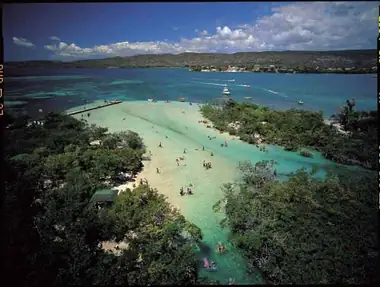
Gilligan's Island is the nickname for Cayo Aurora, a low mangrove cay about a mile off the coast of Guánica on Puerto Rico's southwest coast. For years it was one of the south's favorite family day trips: a short ferry ride to shallow, glassy water, little sandy coves and picnic tables in the shade. That changed with the earthquakes of January 2020. The cay was damaged, its facilities were removed, and it has been officially closed to visitors since. Before you plan around it, read on for what happened, how to check the current situation and the best ways to enjoy this stretch of coast today.
What Cayo Aurora is
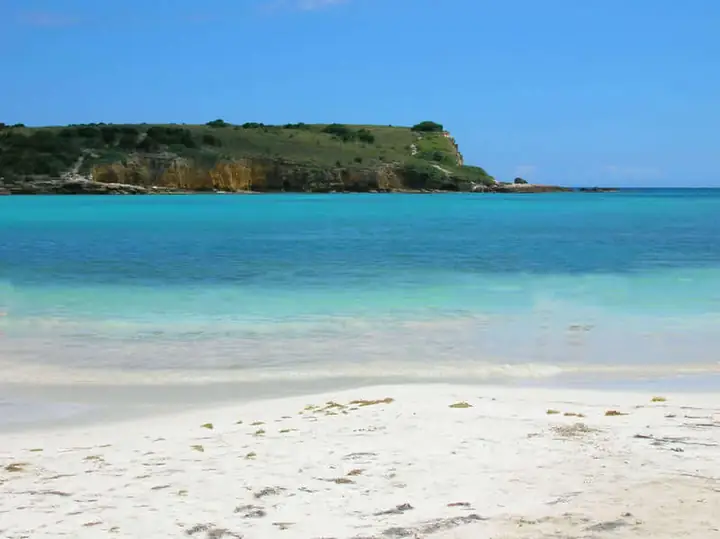
Cayo Aurora is one of the Cayos de Caña Gorda, a cluster of mangrove islets off Guánica. It is managed by Puerto Rico's Department of Natural and Environmental Resources (DRNA) as part of the Guánica State Forest, the dry forest that UNESCO recognizes as a biosphere reserve. The nickname came from the cay's resemblance to the castaway island of the 1960s TV show.
Before 2020 the cay had a dock, picnic gazebos with barbecue grills, changing huts and a composting restroom. Licensed concessionaires ferried visitors over from the San Jacinto area near Playa Caña Gorda, and the clear, knee-to-waist-deep channels between the mangroves were a favorite with children and snorkelers.
What happened in 2020
The magnitude 6.4 earthquake of January 7, 2020, struck just offshore of this part of the coast; Cayo Aurora lies only a few kilometers from the epicenter. Officials of the Guánica State Forest reported afterward that the sea floor around the cay had sunk by roughly four to six inches. More seawater now washes over the cay, shrinking the dry area that people used. The DRNA estimated that the space suitable for recreation dropped from a capacity of about 350 people to less than half of that.
The gazebos and grills were damaged and then demolished for safety. Access was closed to the public and to the three DRNA-certified concessionaires that had carried visitors, while the agency sought federal recovery funds and planned a study of how many people the cay can handle. On the positive side, forest biologists noted that mangroves were regenerating with the increased saltwater.
Can you visit now?
As of this update we have found no official announcement that Cayo Aurora has reopened, and the licensed ferry service that once ran visitors over has not resumed. In 2021 the DRNA said private boats and kayaks could approach but must remain outside the buoys, with swimming limited to the channels. Some travel sites and tour sellers still advertise trips to "Gilligan's Island"; treat those claims with caution and confirm with the DRNA before you go.
Practical advice:
- Contact the DRNA or the Guánica State Forest office for the current rules before planning a visit.
- If you paddle or boat in the area, respect buoys and posted closures, and don't land where landing isn't permitted.
- There are no facilities on the cay: no restrooms, shade structures or trash service.
- Bring insect repellent. The mangroves are famous for mosquitoes and no-see-ums, especially in the morning and evening.
Getting to the area
Guánica is roughly two hours from San Juan by car. Take PR-52 south to Ponce, then PR-2 west, and PR-116 south toward Guánica. From the town, PR-333 runs east along the coast past Playa Caña Gorda, the Copamarina resort and the dry forest's beaches. The waterfront area where the ferries used to depart is along this road near San Jacinto. A car is essential; public transport isn't practical for visitors.
What to do instead
Even without the cay, this is one of the most rewarding stretches of the south coast:
- Guánica State Forest. Trails wind through one of the best-preserved subtropical dry forests in the Caribbean, with cacti, gnarled gumbo-limbo trees and excellent birding. Start early; it gets hot by midday.
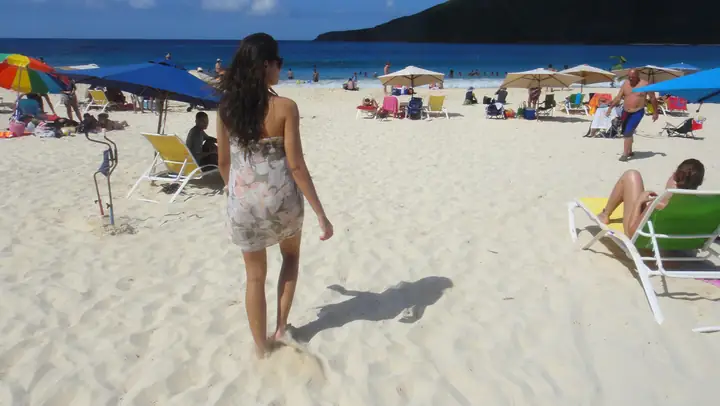
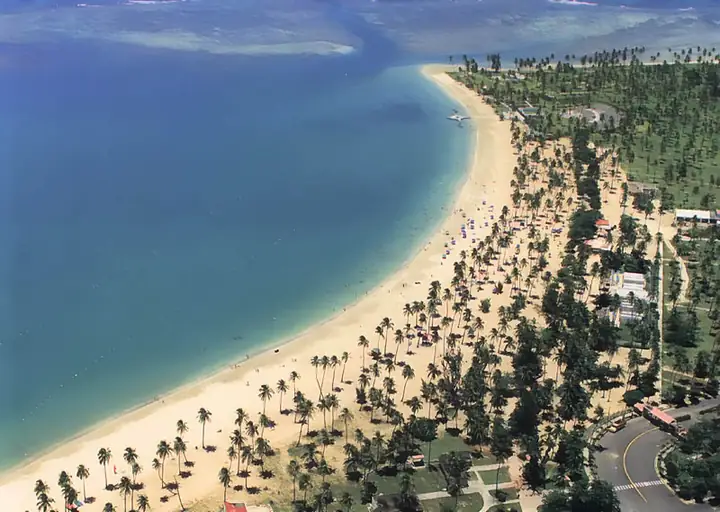
- Beaches along PR-333. Playa Caña Gorda is a popular public beach with calm water, and quieter beaches such as Playa Ballena lie farther east inside the forest.
- Guánica town and bay. The bay is where US troops came ashore in July 1898 during the Spanish-American War, and the waterfront makes a pleasant stop for a stroll and a meal.
- La Parguera. About 25 minutes west, La Parguera offers boat trips to other mangrove cays, snorkeling and a bioluminescent bay.
- Ponce. Less than an hour east, the city's historic plaza, the Parque de Bombas and Castillo Serrallés make a good cultural counterpoint to a beach day.
Practical tips for the coast
Go on a weekday if you can; local families crowd the beaches on weekends, holidays and in summer. Bring plenty of water, shade and reef-safe sunscreen, since the dry forest coast has little natural shade and few services. Expect simple facilities at public beaches and none at the remote ones. Allow a full day to combine the forest, a beach and lunch in Guánica or La Parguera.
Good to know
- Cayo Aurora (Gilligan's Island) has been officially closed to visitors since the 2020 earthquakes; we found no confirmed reopening.
- The cay's gazebos, grills and dock services were removed; there are no facilities.
- Check with the DRNA before planning a trip, and be wary of outdated online listings.
- The Guánica dry forest and the beaches along PR-333 remain excellent alternatives.