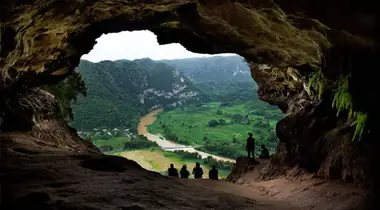
The Parque Nacional de las Cavernas del Río Camuy protects one of the most extensive cave systems in the Western Hemisphere, carved into the limestone hills where the municipalities of Camuy, Hatillo and Lares meet. For decades it was one of Puerto Rico's best-known day trips. Before you plan around it, though, you need to know its current status: the park has been closed to the public since 2023, and as of autumn 2026 it had not yet reopened. This guide explains what the park is, what is expected to open first, and how to fill a day in the karst country if the gates are still shut.
Current status: closed, with a partial reopening promised
The park has had a rough decade. Hurricane María damaged it in 2017, and it reopened only in 2021. In January 2022, thieves stripped copper wiring and left it without power, forcing another closure. Hurricane Fiona hit it again in September 2022. It reopened briefly in February 2023 on a reservation-only basis, and it has been closed again since 2023.
The Department of Natural and Environmental Resources (DRNA), which manages the park, has announced a phased "soft opening." The first phase is meant to give visitors access to two of the park's three main attractions: Cueva Clara and the Tres Pueblos sinkhole. Camping areas and food and craft concessions are supposed to follow. A target date of Earth Day in April 2026 came and went. In late May 2026, DRNA Secretary Waldemar Quiles Pérez told the press the park would open before the end of the year. Staffing is one of the main obstacles. The park now has roughly a dozen employees, compared with about 120 in its busiest years.
Camuy's mayor has publicly criticized the repeated delays, so treat any announced date with caution. Before you drive out, check the DRNA website or its official social media channels for an opening announcement. If the park does reopen, expect timed, reservation-only guided tours, the same format DRNA used in 2023.
What makes the caves special
The Río Camuy runs underground through this part of the island's northern karst belt and is often cited as one of the longest underground rivers in the world. Over thousands of years, water dissolved the limestone into a network of more than 220 known caves, along with sinkholes and underground channels. Cavers began exploring and documenting the system in the late 1950s, but archaeological evidence shows that the Taíno knew these caves long before then.
Cueva Clara
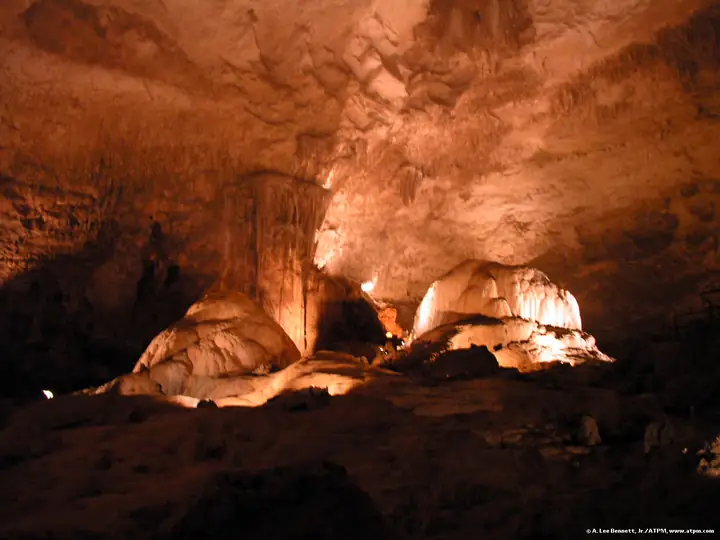
Cueva Clara is the cave most visitors remember. Its main chamber is about 700 feet long, with a ceiling around 200 feet high. Inside you walk past stalactites, stalagmites and flowstone formations, with bats roosting overhead. On the traditional tour, a guide led you down a paved path through the chamber to an opening where daylight and greenery spill in from a sinkhole.
Tres Pueblos sinkhole
This sinkhole is roughly 400 feet deep and sits where the borders of Camuy, Hatillo and Lares meet, which is how it got its name. From the viewing platform you look down at the river where it briefly surfaces at the bottom of the sinkhole before it disappears underground again. DRNA's long-term plans include a zip line over the sinkhole.
Cueva Espiral
The third classic attraction, the Espiral sinkhole, has been inaccessible since Hurricane María damaged the route down to it. It is not part of the announced first phase.
Getting there
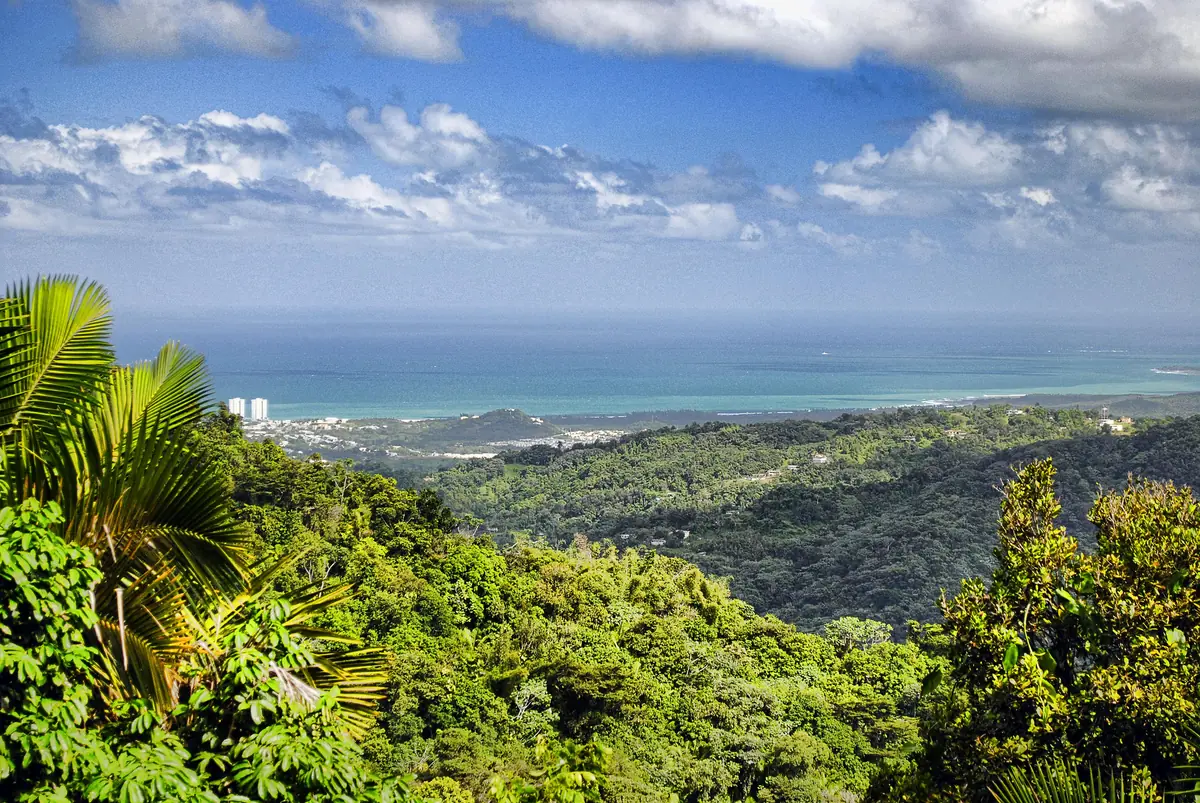
The park entrance is on PR-129, the Arecibo–Lares road, at about kilometer 18.9 in the Quebrada area of Camuy. From San Juan, take PR-22 west toward Arecibo, use the exit for PR-129 and head south into the hills. The drive takes you through haystack hills and farmland that are worth seeing for their own sake. There is no practical public transport, so you will need a car or a tour. When the park was last open, parking was on site.
Tips for when it reopens
- Reserve ahead. The 2023 reopening was reservation-only, with group sizes capped at 45 per tour. Expect demand to be heavy after a three-year closure.
- Wear shoes with grip. The paths inside Cueva Clara are wet and slick in places. Leave the sandals in the car.
- Bring a light layer and rain gear. The cave is cool and humid. The surrounding hills get frequent afternoon showers, especially from May through November.
- Go early. Morning tours beat the heat and the school groups.
- Mobility. The route into Cueva Clara involves slopes and uneven, damp surfaces. Ask DRNA about accessibility when you book. Officials have mentioned plans for routes adapted for visitors with visual impairments.
- Allow half a day. That covers the drive, check-in, the tour and a look at the sinkhole.
If the park is still closed: what to do nearby
The karst region is full of alternatives within about 30 minutes' drive:
- Cueva Ventana, a privately run guided cave walk off PR-10 that ends at an opening overlooking the Río Grande de Arecibo valley.
- The Arecibo Observatory site and science center, where you can see what remains of the famous radio telescope.
- Río Tanamá, where outfitters run river and cave tours through limestone canyons.
- Guajataca Forest and Lake Guajataca, for hiking trails and a quiet reservoir to the west.
- Cueva del Indio in Arecibo, a coastal cave with Taíno petroglyphs.
Good to know
- The park is run by DRNA, the Puerto Rico Department of Natural and Environmental Resources. Opening announcements come from DRNA, not from tour sellers.
- Many travel listings still show 2023 hours and prices. Ignore them until DRNA confirms the new schedule and rates.
- Cueva Clara and the Tres Pueblos sinkhole are expected to open first. The Espiral sinkhole remains off limits.
- If you book a day tour from San Juan that mentions caves, read the itinerary to confirm which caves it actually visits.
- Pack water and snacks. Services around the park are limited, and the planned concessions are part of the phased reopening.