Las Cabezas de San Juan is the headland at the far northeastern corner of Puerto Rico, just outside Fajardo. The name ("the heads of San Juan") comes from the rocky promontories that push out into the Atlantic. Packed into this small area are dry coastal forest, mangroves, seagrass beds, coral reefs, sandy and rocky beaches, the Laguna Grande bioluminescent lagoon and a Spanish-era lighthouse on the highest point. It is one of the best places on the island to understand how many ecosystems can share a few miles of coast, and because visits are guided and by reservation, it never feels crowded.
History and who runs it
The headland has been valued for a long time. Archaeological work has turned up evidence of indigenous use, and in the colonial era it was an obvious lookout over the passage between Puerto Rico and the islands to the east. The Conservation Trust of Puerto Rico bought the land in 1975 to stop it from being developed, and it was designated a nature reserve in 1986. Today the reserve is managed by Para la Naturaleza, the name under which the Conservation Trust runs its public programs. In 2013 Puerto Rico created the Northeast Ecological Corridor reserve between Luquillo and Fajardo, which extended protection of the surrounding coast and waters.
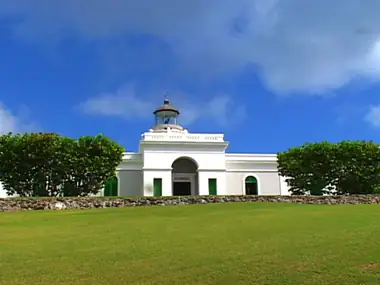
The lighthouse, El Faro de las Cabezas de San Juan (also called the Fajardo Lighthouse), was built by the Spanish government starting in 1880 and was first lit on May 2, 1882. Its light was automated in 1975, it was listed on the National Register of Historic Places in 1981, and in 2001 it became the first lighthouse in Puerto Rico transferred to a nonprofit under the federal lighthouse preservation law.
The lighthouse restoration
Hurricane María damaged the reserve's facilities in 2017. FEMA has approved more than $700,000 for repairs and mitigation work at the reserve, including the lighthouse and its observation platform, with repairs to the boardwalk planned after that. As of this update, Para la Naturaleza says access to the lighthouse building is restricted while restoration continues. Tours still visit the reserve's forest, mangroves, lagoon and beaches, but do not book expecting to climb the lighthouse or see its exhibits until Para la Naturaleza announces that it has reopened.
What you see on the tour
The standard visit is a guided tour by open-air trolley, with stops where you get out and walk. It takes about two and a half hours and is rated easy, suitable for all ages. Along the way you see:
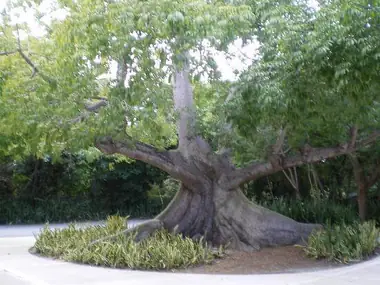
- Subtropical dry forest, a habitat that surprises visitors who expect rainforest everywhere in Puerto Rico. Look for lizards, hermit crabs and coastal birds.
- A boardwalk through the mangroves to the edge of Laguna Grande, the bioluminescent lagoon. You will not see the glow in daylight, but the guides explain how the mangroves keep the lagoon alive.
- Seagrass meadows and beaches, both sandy coves and rocky shoreline, where you see how waves, reef and sand connect.
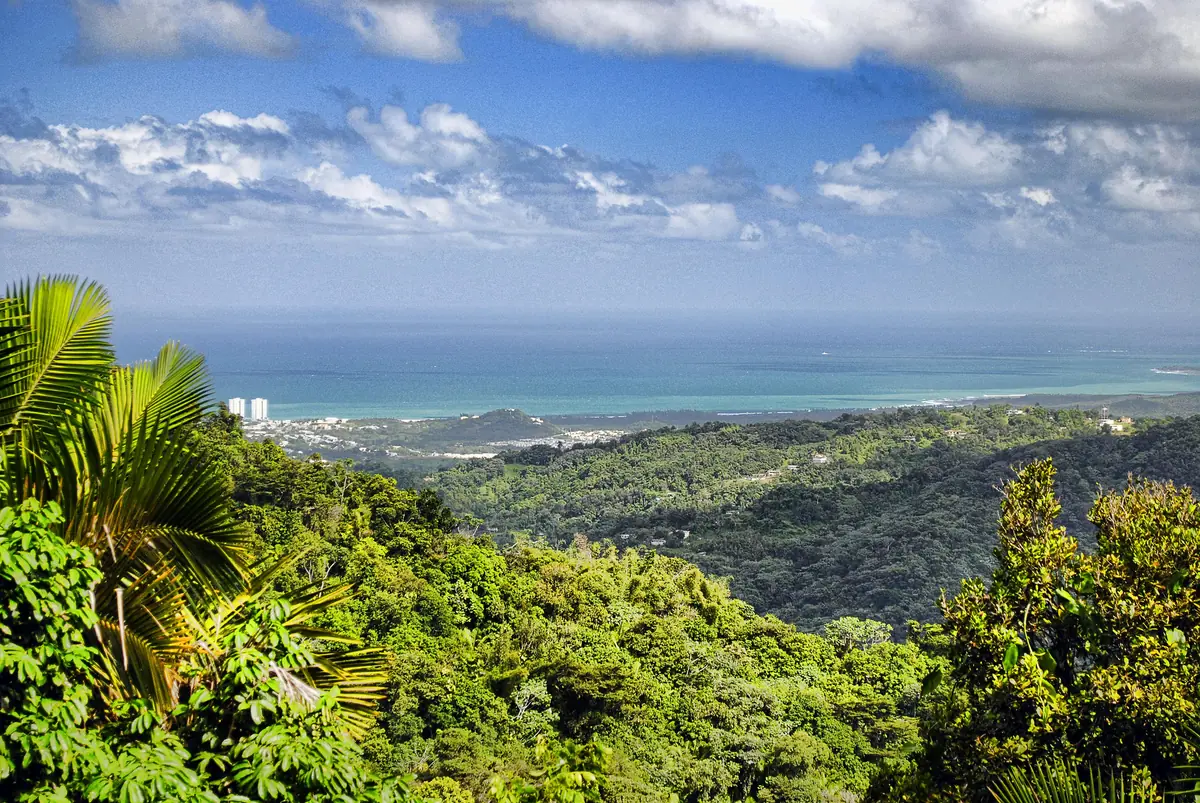
- The views. From the high ground you look over the cays of La Cordillera, and on clear days you can see Culebra and Vieques, with El Yunque behind you.
The guides are the main reason to go. They are naturalists rather than scripted tour hosts, and they are good at fielding questions from both kids and adults.
Booking and getting there
Entry is by reservation only; you cannot just drive up and walk in. Para la Naturaleza's online booking system lists the Cabezas de San Juan tours, but booking for them is currently done by phone or email rather than online. Contact details, current prices (adult, senior, student and group rates) and available dates are on the Para la Naturaleza reservations site. The reserve is not open every day, so book before you plan the rest of your Fajardo itinerary around it. If you need a tour in English, say so when you book.
The entrance is on PR-987 in the Las Croabas neighborhood of Fajardo, next to Seven Seas beach. From San Juan, take PR-26 and PR-66 east, continue on PR-3 to Fajardo, and follow signs for Las Croabas and Seven Seas. Allow about an hour from the airport. Arrive a little early; the reserve sits on a breezy point and is a pleasant place to wait.
Practical tips
- What to bring. Para la Naturaleza recommends a reusable water bottle, closed comfortable shoes, a rain jacket, sunglasses, a hat, sunscreen and a snack.
- Age. The minimum age is 3, and anyone under 18 must be with an adult.
- Best time. Morning tours are cooler. The east end of the island is breezy, which helps, but the dry forest has little shade.
- Accessibility. The trolley covers most of the distance, but stops involve walking on uneven paths and a boardwalk. If you have mobility needs, discuss them when you book.
- How long to allow. About three hours including arrival and check-in.
Combine it with
A daytime tour here pairs well with a night kayak on the Fajardo bioluminescent bay: you see Laguna Grande by day and then return after dark to see it glow. Next door is Seven Seas beach, and the waterfront restaurants of Las Croabas are a few minutes away. Boat trips to Icacos Island and Palominos leave from Fajardo's marinas, and El Yunque is about 40 minutes inland.
Good to know
- Visits are by reservation only, through Para la Naturaleza.
- Lighthouse access is restricted during restoration; check before you book if it matters to you.
- Tours last about two and a half hours and are rated easy.
- The reserve includes Laguna Grande, but bioluminescence tours run separately, at night, with licensed operators.
- Wear closed shoes and bring water; there is little shade on the dry-forest sections.