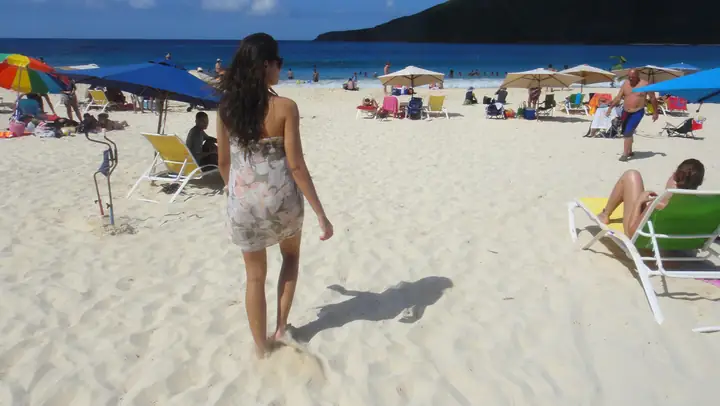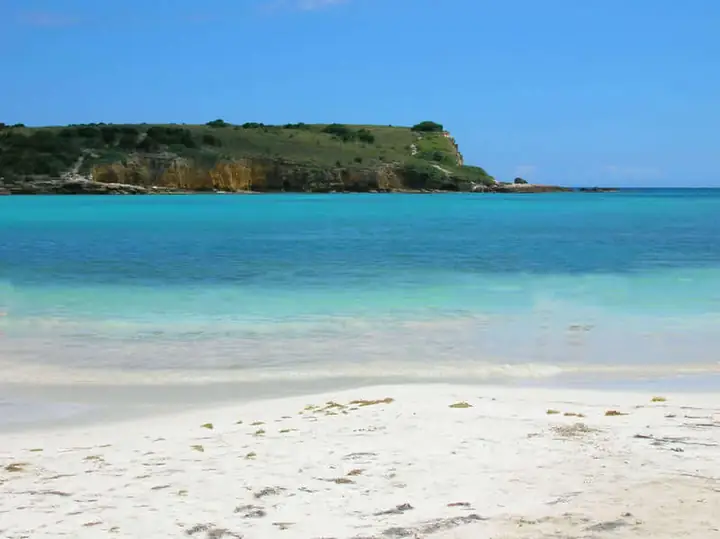
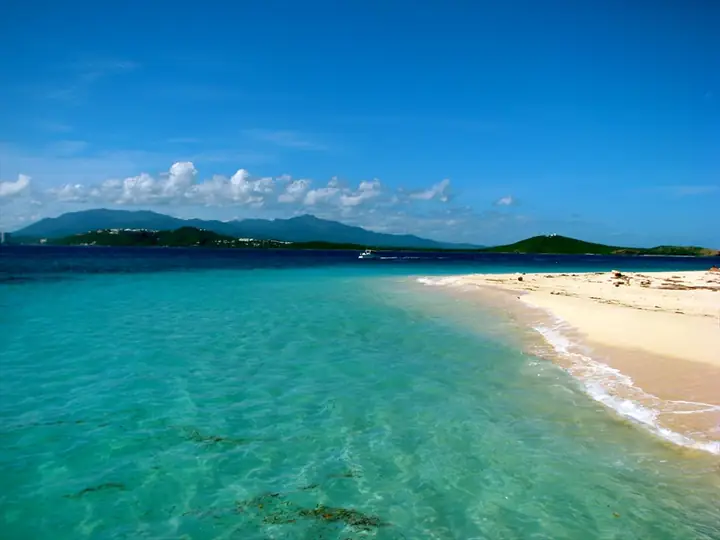
Cayo Icacos is a small, uninhabited island off the coast of Fajardo, ringed by white sand and clear, shallow water over reef and seagrass. It is the largest of the cays in the La Cordillera Reef Nature Reserve, the chain of islets that runs east from Puerto Rico's northeastern tip toward Culebra, and it is the most popular day trip by boat on the east coast. There are no buildings, no shops and no shade except what you bring or find under the scrub, which is exactly why people go.
A protected island
Icacos takes its name from the hicaco, or coco plum, a shrub that grows on the cay. Before it was protected, the island was mined for limestone used in Puerto Rico's sugar industry and in construction. La Cordillera was set aside as a nature reserve in the late 1970s, and since 1991 it has been managed by the Puerto Rico Department of Natural and Environmental Resources (DRNA). The reserve protects coral reefs, seagrass beds and seabird nesting areas, and its waters are used by green sea turtles and West Indian manatees. Humpback whales pass through in winter. In 2018 a rumor that Icacos and nearby Cayo Ratones were being sold prompted the DRNA to state publicly that they were not for sale; they remain public land within the reserve.
Icacos is wild, not developed. Camping is not allowed, and there are no bathrooms, fresh water, lifeguards or food vendors. Whatever you need for the day comes with you, and whatever you bring goes back with you.
What you do there
A day on Icacos is mostly about the water. The beach on the protected side of the island usually has calm, clear water, good for wading and floating, and the reefs around the cay are where most boat trips stop to snorkel. On a typical catamaran trip you snorkel at a reef first, then anchor off Icacos for lunch and a few hours on the beach. Expect to see reef fish, sea fans and, with luck, a turtle or a ray.
The cay is small enough to walk around, and the far shores are rougher and rockier than the swimming beach. Walk the shoreline rather than cutting through the vegetation, which shelters nesting birds and is full of sand spurs.
How to get there
There is no ferry to Icacos. You have three main options:
- A catamaran day trip. Several companies sail from Fajardo's marinas, including Puerto del Rey and Villa Marina, and the DRNA authorizes a number of catamaran concessions for the reserve. Trips usually include snorkel gear, lunch and drinks, and many offer transport from San Juan hotels. They typically leave in the morning and return mid-afternoon. This is the easiest option for most visitors.
- A water taxi from Las Croabas or a Fajardo marina, which drops you at the beach and picks you up at an agreed time. It is cheaper per person if you have a group and want more time on the sand, but you need to bring everything yourself. Confirm the pickup time, and the operator's phone number, before you leave the dock.
- A private or rental boat. Use the DRNA mooring buoys rather than anchoring on coral or seagrass.
Fajardo is about an hour's drive east of San Juan via PR-66 and PR-3. If your trip leaves from a marina, check where to park and how early to arrive when you book.
Practical tips
- Check the sea. Crossings can be choppy when the trade winds are strong, and winter swells (roughly November to March) can make the open-water stretch rough. Reputable operators cancel when conditions are unsafe; accept the call.
- Sun protection. The white sand reflects strong sun and there is almost no shade. Bring a hat, a rash guard or cover-up, and reef-safe sunscreen, and reapply often.
- Footwear. Water shoes or sandals help with sand spurs and with rocks near the shore.
- Water and food. Bring more drinking water than you think you need if you are not on a catered trip.
- Trash. Bring a bag for your trash, and pick up any you find. Litter that washes up or is left behind is a constant problem on the cays.
- Snorkeling etiquette. Do not stand on or touch coral, and do not chase or handle turtles.
- Weekends. Saturdays and Sundays, especially in summer, bring many private boats and loud music. Go on a weekday for a quieter beach.
Combine it with
A morning on Icacos and an evening kayak on the Fajardo bioluminescent bay make a full Fajardo day. Other nearby options are a beach afternoon at Seven Seas, a guided tour of Las Cabezas de San Juan and seafood in Las Croabas. Some boat trips also visit Palominos, a private island used by a nearby resort, or neighboring Cayo Ratones. If you want more time on remote beaches, consider an overnight trip to Culebra.
Good to know
- Icacos is part of the La Cordillera Reef Nature Reserve, managed by the DRNA.
- There are no facilities on the island, and camping is not permitted.
- Most visitors arrive by catamaran from Fajardo's marinas; water taxis also run from Las Croabas.
- Trips are weather-dependent; have a backup day if you can.
- Pack out everything you bring.