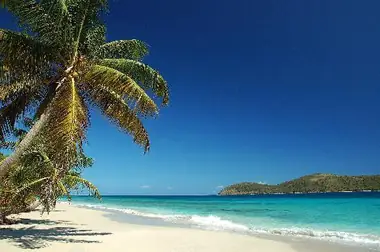
Puerto Rico is roughly 100 miles long and 35 miles wide, but it packs in a 500-year-old walled city, a tropical rainforest, three bioluminescent bays, cool coffee-growing mountains, surf beaches and two offshore islands with some of the clearest water in the Caribbean. Most of it is within a two- or three-hour drive of San Juan. This guide is organized by region, so you can build a trip around a home base and add day trips. Each section links to our detailed guides.
San Juan: forts, old streets and neighborhoods
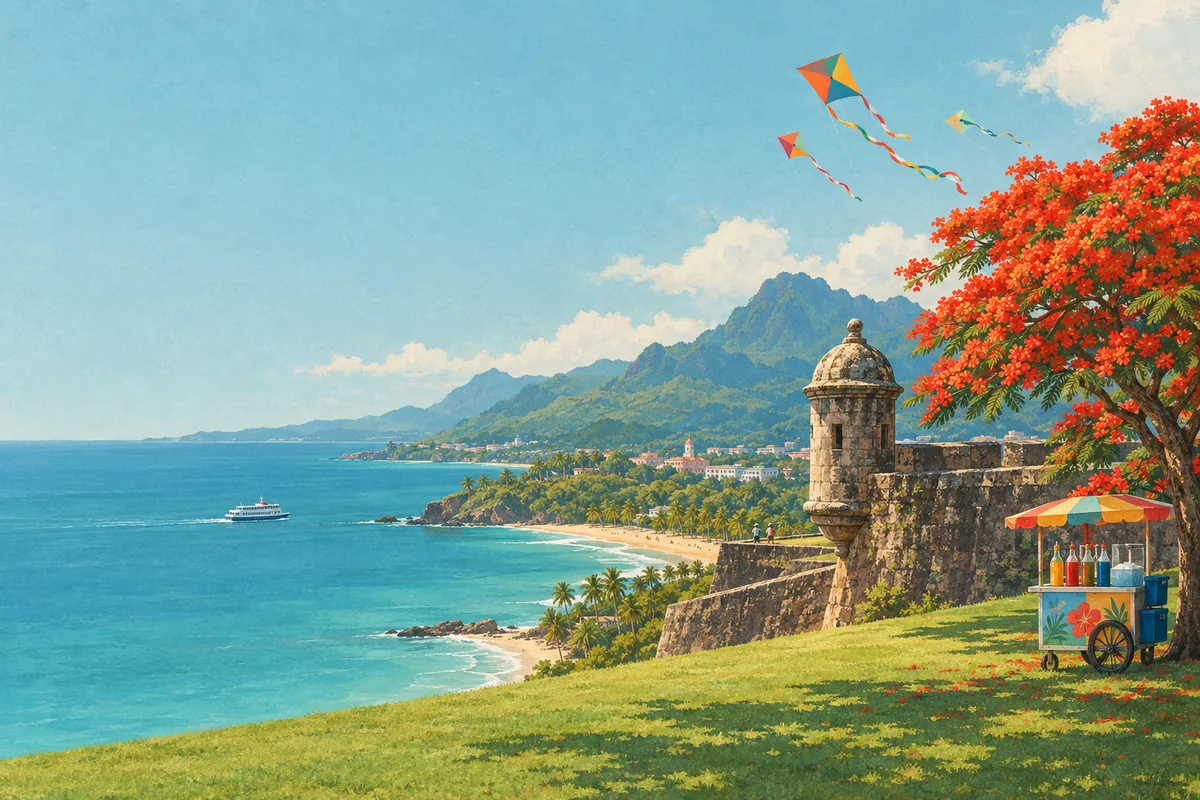
Start in Old San Juan, founded in the early 1500s and still home to people, shops and restaurants inside its walls. The two great Spanish forts, Castillo San Felipe del Morro and Castillo San Cristóbal, are run by the National Park Service as the San Juan National Historic Site. One $10 entrance ticket (free for 15 and under) covers both forts for 24 hours, and the park takes cards only, no cash. Go to El Morro early, before the heat and the cruise crowds.
Between the forts, walk the blue cobblestone streets to La Fortaleza, the governor's residence and one of the oldest executive mansions in continuous use in the Americas, the Cathedral of San Juan Bautista, the San Juan Gate and the shaded Paseo de la Princesa along the old city wall. Plaza Colón and the tiny Capilla del Cristo are quick stops, and the Teatro Tapia still stages performances. If you are visiting in January, the Fiestas de la Calle San Sebastián turn the whole old city into a street festival.
Outside the walls, Condado and Isla Verde have the city's hotel beaches, while Ocean Park and Escambrón are favorites with locals. Santurce is the arts district: see the Museo de Arte de Puerto Rico by day and La Placita de Santurce on a weekend night. The Capitol and the San Juan Botanical Garden round out the city.
El Yunque and the northeast
El Yunque National Forest, about 45 minutes east of San Juan, is the only tropical rainforest in the US National Forest System. Expect waterfalls, river pools, misty peaks and the constant call of the coquí frog. Entry to the main recreation corridor on Road 191 is free and, as of 2026, no reservation is needed, though parking is limited and some trails and sites close for repairs. Check the Forest Service's current conditions page before you go. Arrive when the gates open in the morning for the best chance of a parking spot.
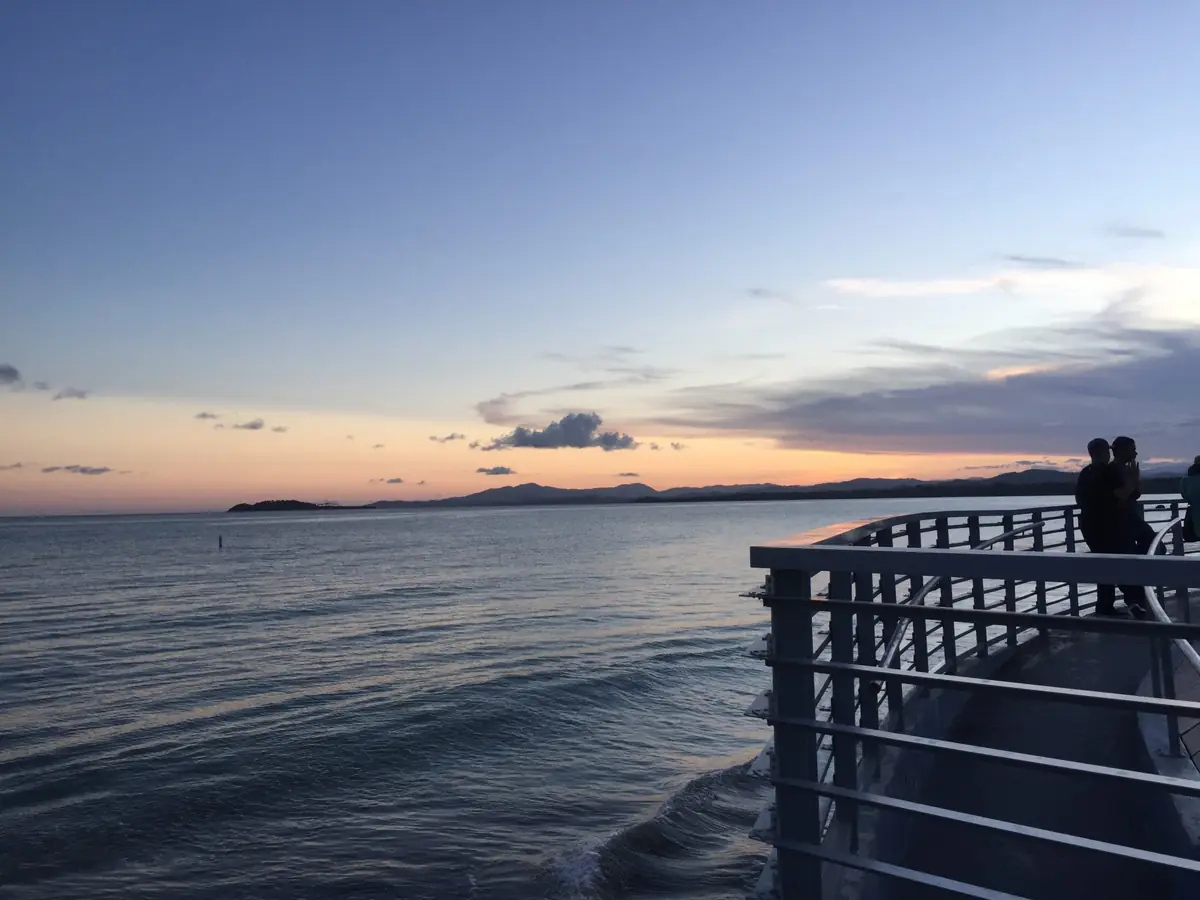
Pair the forest with lunch at the Luquillo Beach kiosks and a swim in its calm, palm-lined bay. Farther east, Fajardo has Las Cabezas de San Juan nature reserve and the fishing village of Las Croabas, and it is the launch point for night kayak trips on Laguna Grande, one of the island's three bioluminescent bays. Closer to San Juan, Piñones combines wood-fired fritter stands, a coastal bike path and mangrove kayaking.
Vieques and Culebra
These two islands off the east coast are where you go for quiet beaches and clear water. On Culebra, Flamenco Beach regularly appears on lists of the world's best beaches, and snorkeling at spots like Zoni and the islet of Culebrita (with its old lighthouse) is excellent. On Vieques, wild horses wander the roads, and Mosquito Bay is famous as one of the brightest bioluminescent bays in the world.
Getting there takes planning. Public ferries now leave from Ceiba, not Fajardo as they once did (see our ferry guide), and residents get priority, so tourist seats can sell out, especially on weekends and holidays. Buy through Puerto Rico Ferry as soon as tickets open, or fly over on a small commuter plane from San Juan or Ceiba. Staying at least one night makes the trip worthwhile.
About the bio bays: swimming is prohibited at Mosquito Bay and Laguna Grande to protect the microorganisms that make them glow. You see the light from a kayak or electric boat on a guided tour. La Parguera on the southwest coast is the one bay where swimming is generally allowed. Go on a dark, moonless night for the brightest display.
The central mountains
The Cordillera Central is cooler, greener and more rural than the coast. In Orocovis, Toro Verde Adventure Park is home to The Monster, a zip line of about 2.5 kilometers. In Cayey, Guavate's lechoneras serve slow-roasted pork with live music on weekends. Hikers head to Toro Negro State Forest, and country-life seekers to the agrotourism farms around Adjuntas, such as Hacienda Sotomayor. Roads are narrow and winding, so allow more time than the map suggests.
Ponce and the south coast
Ponce, Puerto Rico's second city, is a relaxed day trip or overnight from San Juan, about 90 minutes away on Highway 52. Around its main plaza you will find the cathedral and the red-and-black striped Parque de Bombas firehouse. The Museo de Arte de Ponce holds one of the Caribbean's finest European art collections. On the hill above town, Castillo Serrallés and the El Vigía observation cross overlook the city. Nearby are the Tibes Indigenous Ceremonial Center, with its Taíno ball courts, the waterfront at La Guancha and boat trips to Caja de Muerto island. On the drive down, soak in Coamo's thermal springs.
The west and southwest
The west coast has a laid-back, sunset-facing character. Rincón is the surfing capital, with big winter swells and humpback whales sometimes seen offshore in the winter months from the lighthouse park. Aguadilla's Crash Boat Beach is known for its clear water and old pier, and Playa Jobos in Isabela is popular with surfers.
In the southwest corner, Cabo Rojo pairs the cliffs and Los Morrillos lighthouse with Playa Sucia, one of the island's most photographed beaches, plus the seafood shacks of Boquerón and Combate. In Lajas, La Parguera has mangrove channels and its own bio bay, and in Guánica a short boat ride reaches Gilligan's Island. Don't miss Porta Coeli in San Germán, one of the oldest church buildings in the Americas.
The north coast: caves and karst
West of San Juan, the karst country is full of sinkholes, haystack hills and caves. Cueva Ventana near Arecibo is a guided cave walk ending at a natural "window" over the Río Grande de Arecibo valley, and Cueva del Indio on the coast has Taíno petroglyphs and sea arches. The Arecibo Observatory's giant radio telescope collapsed in 2020. The site has become a science education center, NSF Arecibo C3, which began a partial reopening with tours and limited public hours in April 2026 and requires advance tickets. The Río Camuy Cave Park has had long closures for storm repairs, so confirm with the Department of Natural and Environmental Resources (DRNA) that it is open before you drive out. Mar Chiquita in Manatí, a cove almost enclosed by rock, makes a good beach stop on the way back.
Food, drink and nightlife
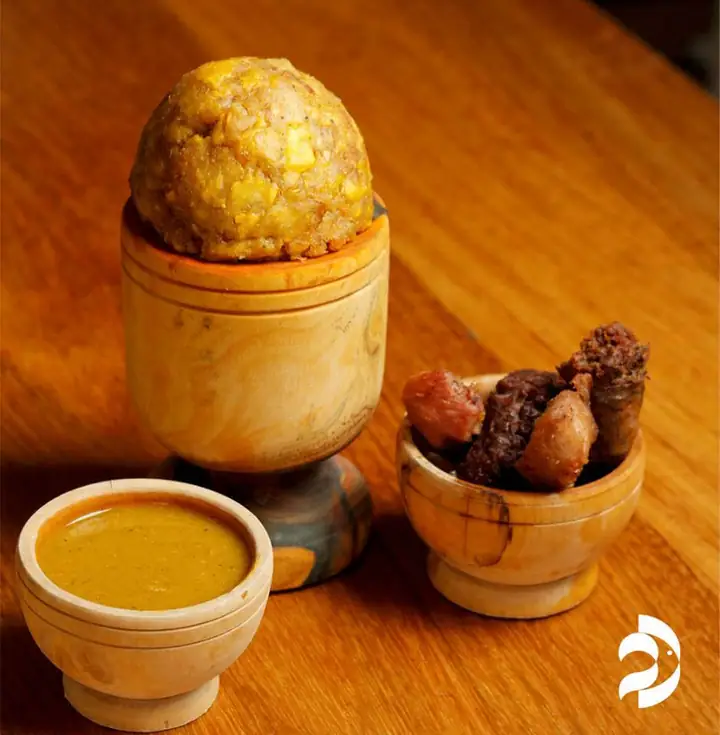
Eating well is one of the best things to do on the island. Start with our list of five Puerto Rican foods you must taste. Take the ferry from Old San Juan to Casa Bacardí for a rum tasting or mixology class, then order a piña colada at the Caribe Hilton, which says the drink was invented there. On weekends, follow locals to the kiosks of Luquillo and Piñones or the lechoneras of Guavate.
Planning tips
- How long. Four or five days covers San Juan, El Yunque and a bio bay. A week or more lets you add Culebra or Vieques plus Ponce or the west coast.
- Car or no car. You don't need one in Old San Juan and Condado, where taxis and Uber are easy. You do need one for nearly everything else.
- When to go. December to April is the driest, busiest and most expensive period. Hurricane season runs June through November, with the highest risk from August to October, so buy travel insurance if you travel then.
- Documents. US citizens don't need a passport, but you do need a REAL ID–compliant license or another TSA-accepted ID to fly. See passport and ID requirements and our San Juan airport guide.
Good to know
- One $10 NPS ticket covers both El Morro and San Cristóbal for 24 hours (cards only).
- El Yunque's Road 191 corridor is free with no reservation as of 2026. Parking is limited, so arrive early.
- Ferries to Vieques and Culebra leave from Ceiba, and tickets sell out.
- Swimming is banned in the Fajardo and Vieques bio bays but generally allowed at La Parguera.
- Check opening status for the Camuy caves and Arecibo C3 before making the drive.
For more ideas, browse our top destinations, beaches and parks.